What will I learn in the fashion design diploma?
A fashion designing course in Ahmedabad connects ideas with practical making. The published subject areas cover illustration, design principles, textiles, pattern making, garment construction, styling, CAD, marketing, merchandising and portfolio development. The groupings below explain how these subjects relate; they are not a confirmed term-by-term timetable. ADI must approve the sequence and the syllabus for each pathway. Keeping process work helps show how a drawing became a material choice, sample or completed design.
Illustration and design principles
Fashion illustration develops the ability to communicate an idea before making a garment. Sketches, proportions, silhouettes and colour choices help explain how a collection might look. Design principles connect these decisions: balance, rhythm, contrast and emphasis can be explored through drawings and mood boards. Keeping early sketches alongside later revisions makes a portfolio more useful because it shows the reasoning behind a design rather than only the finished result.
Textiles and material understanding
Textile understanding connects a design concept to a material that can support it. Fabric weight, texture, drape and surface appearance affect the outcome of a garment. Comparing swatches and recording observations helps a designer explain why one material is more suitable than another. Material exploration also supports styling and collection planning: a consistent fabric story can link different pieces while still allowing variation in silhouette, colour and detail.
Pattern making and garment construction
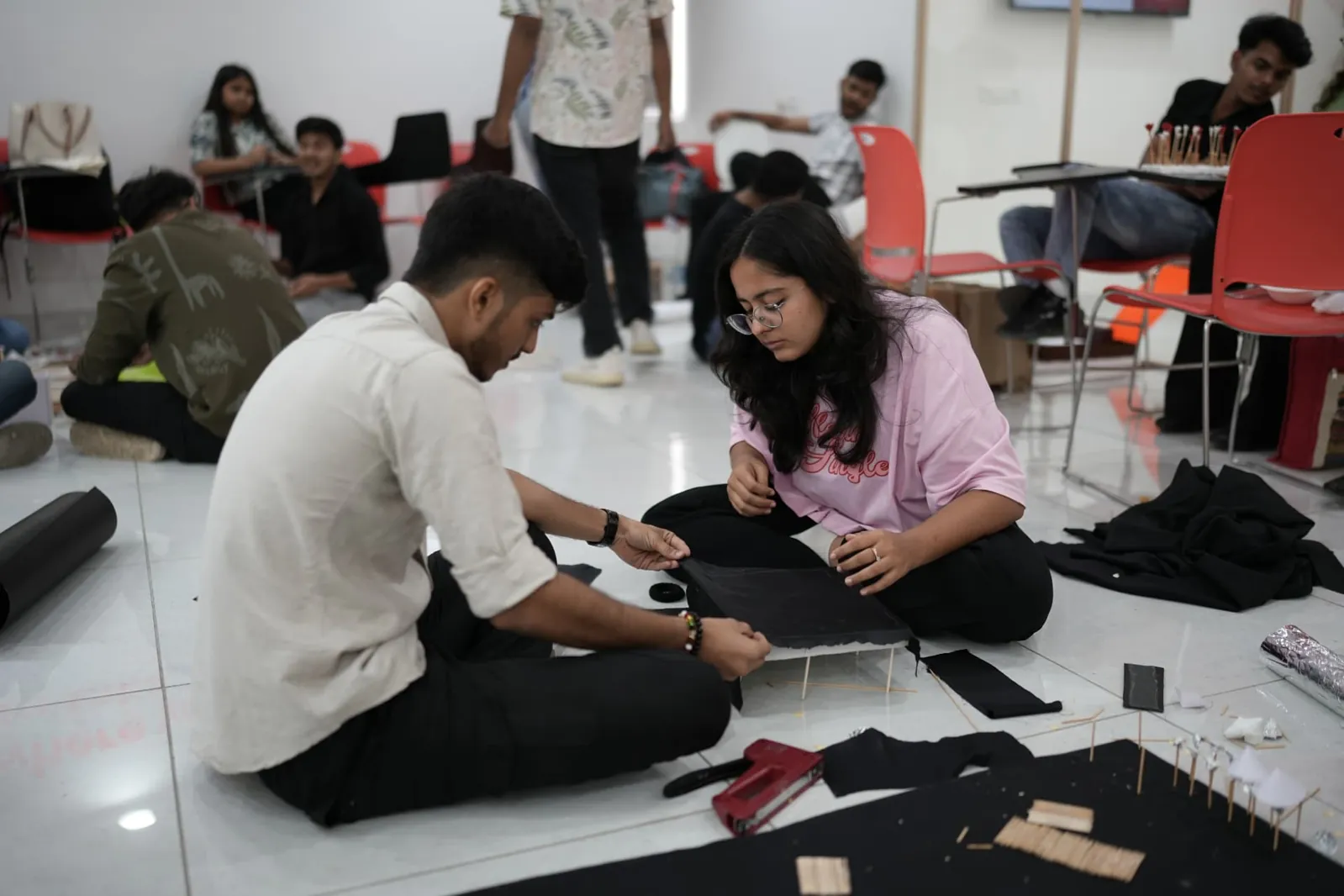
Pattern making turns a drawn idea into pieces that can be assembled. Garment construction brings those pieces together and tests whether the original concept works in practice. These subjects connect creative decisions with measurement, fit and making. Recording samples, adjustments and construction choices can help students evaluate their work and communicate it clearly. A portfolio can include the design development as well as the completed garment, showing how a concept changed through practical testing.
Styling and digital tools
Fashion styling considers how garments, colours and accessories work together to communicate an identity. CAD and fashion technology support visual development, refinement and presentation. Digital work is most useful when it explains an idea clearly rather than simply adding effects. Comparing hand-developed concepts with digital presentations can help identify which communication method suits a particular project. The listed learning areas include styling and CAD; software packages and the teaching sequence are not specified here.
Marketing, merchandising and portfolio development
Fashion marketing and merchandising connect design work with the people who might buy, display or use it. They encourage a designer to think beyond an individual garment and consider a collection, customer and brand direction. Portfolio development brings together illustration, textile exploration, making and presentation. A clear portfolio explains the brief, the process and the outcome. This connects with ADI's entrepreneurship focus, including the possibility of developing a label, styling service or independent design practice.
Interior design diploma subjects
Interior learning includes design principles, colour theory, materials, furniture and fixtures, lighting, CAD and 3D visualisation, sustainable design, client communication, project management and portfolio development. These subjects connect the appearance of a space with the way a proposal is planned and communicated. Sketches and mood boards establish a concept; materials, furniture and lighting give it detail; drawings and visualisations help another person understand the proposal.
An interior portfolio can bring those stages together rather than show only a finished visualisation. Recording alternatives and explaining design choices demonstrates the development of an idea. Project management and client communication connect creative work with the organisation needed to discuss and develop a proposal. Specific software, teaching hours and term order should be confirmed with the campus. Explore the Interior design diploma in Ahmedabad for its learning areas and admission guidance.
Careers and entrepreneurial paths after the diploma
Fashion learning can support possible directions in design, styling, illustration, merchandising, consulting and digital fashion work. Interior learning can support space styling, visualisation, design consulting, project coordination and décor-related work. These are directions to explore, not guaranteed job outcomes. Employers and clients consider your portfolio, skills, experience and the requirements of a particular role. A diploma is one part of that development, not a substitute for showing the work you can produce.
Design career possibilities
- Fashion Designer
- Fashion Stylist
- Fashion Illustrator
- Merchandiser
- Fashion Consultant
- Digital Fashion Creator
- Interior Designer
- Space Stylist
- Design Consultant
- Interior Visualiser
- Project Coordinator
- Décor Consultant
Independent creative directions
- Fashion Label Founder
- Interior Studio Founder
- Design Brand Creator
- Styling Studio Founder
- Online Design Business Owner
- Custom Design Service Founder
- Creative Design Entrepreneur
- Independent Designer
Entrepreneurial thinking connects design work with brand understanding, client communication, market awareness and presentation. A fashion learner might explore a label, custom design service or styling practice; an interior learner might explore a studio, consultancy or independent styling service. Building a venture also involves decisions about customers, scope, costs and delivery. Portfolio projects can provide a starting point for explaining your direction, while professional experience helps develop the judgement needed to take on work responsibly.
Keep briefs, sketches, material exploration and revisions to explain your design decisions. Explore The ADI 6D learning journey for the college's framework connecting discovery, development, design, display, drive and delivery.
Faculty and mentors
The Ahmedabad learning experience includes mentor guidance, workshops and presentations. Ask admissions about the teaching team for your intended programme and the guidance available for studio work and portfolio development. Confirmed mentor profiles, qualifications and industry backgrounds will appear on the Faculty and mentors page once ADI supplies them.
Why study fashion design in Ahmedabad?
Ahmedabad is part of Gujarat's textile landscape. Studying fashion here gives you a reason to observe fabrics, clothing, craft and visual culture closely, then connect those observations with your own design ideas. Looking at how a material drapes, how a garment is constructed or how a collection is presented can turn everyday observation into questions for studio work. That local context is useful when it leads to thoughtful design exploration rather than an assumption that a city alone guarantees a career.
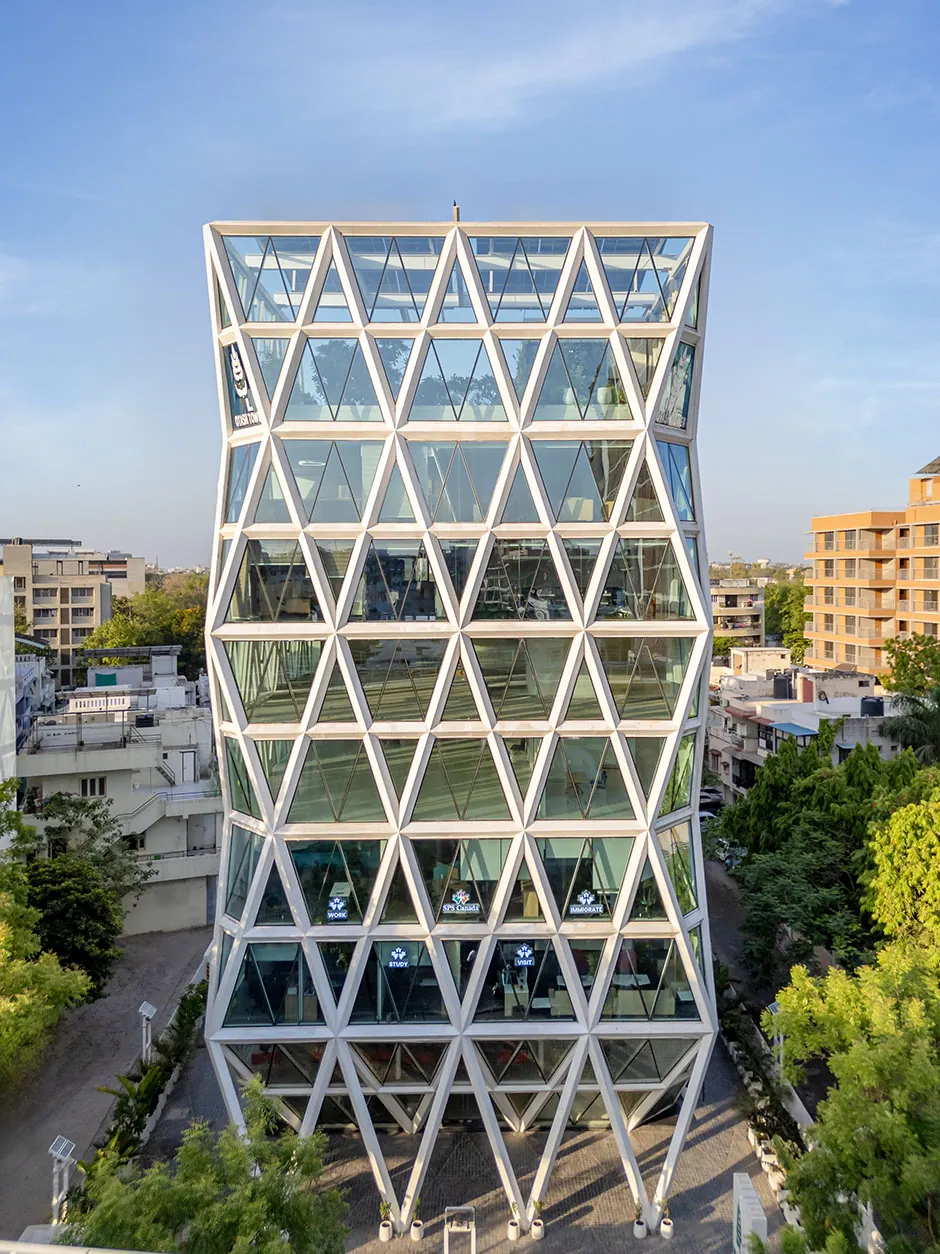
ADI's Ahmedabad address near Commerce Six Road Metro Station is a practical detail to consider when planning a campus visit or commute. Compare the subject areas, portfolio approach and entry requirements with your goals. If you are still exploring fashion, the Fashion design camp page describes the championship workshop experience for school-level students; its eligibility and selection process are separate from diploma admission.
Start your design journey at ADI Ahmedabad
Discuss your academic background, programme interest and campus visit with the admissions team.